
teaching is a relational act.
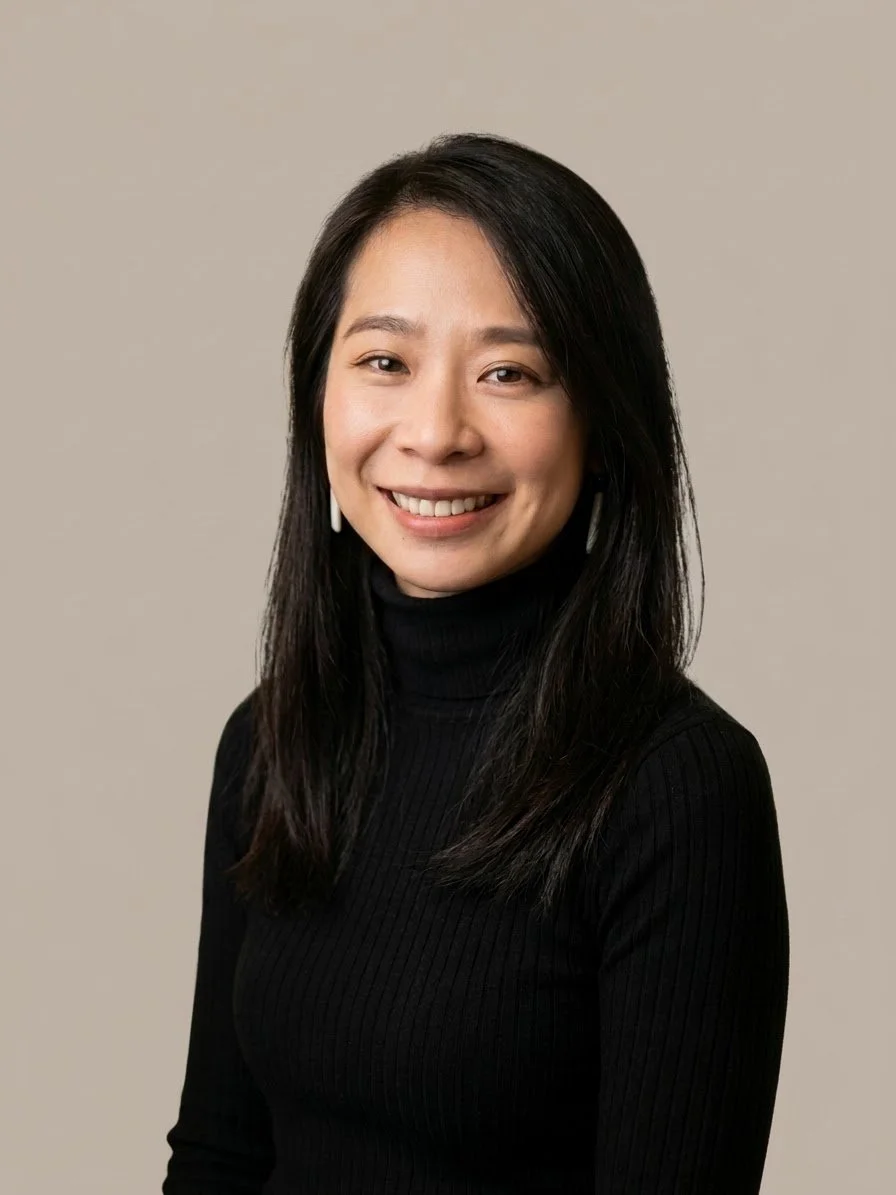
Huiyu Lin, Ph.D.
I am a teacher educator and researcher whose work explores multilingual learning, Indigenous language education, critical literacy, cultural identity, and community-centered approaches to teaching and learning. My work integrates learning sciences, instructional design, adult learning, program evaluation, and data-informed practice to create meaningful learning experiences for diverse learners. I also bring expertise in learning technologies, AI-enabled content development, and ethical AI literacy, with a commitment to using emerging technologies thoughtfully to advance learning and educational equity.
My Professional Roles
Teaching Associate & Field Supervisor
I currently reside on the ancestral lands of the Puyallup and other Coast Salish Peoples in Tacoma, WA, and serve as a Teaching Associate and Field Supervisor for the University of Washington Tacoma’s School of Education (UWT SoE), where I focus on inclusive and multilingual education and culturally responsive teaching practices. With this role, I:
Modernized course curricula and instructional experiences by incorporating AI literacy, human-centered AI practices, and critical assessment of AI-generated information within teacher education.
Fostered collaborative partnerships with teacher candidates, mentor teachers, and school stakeholders to facilitate effective field experiences and address academic and professional development needs.
Embedded culturally responsive, asset-based, and equity-centered practices throughout teacher preparation curricula, strengthening teacher candidates’ capacity to serve linguistically and culturally diverse learners.
Director of Program Management and Communications
I also serve as Director of Program Management and Communications for Pacific Alliance for Autonomous Traditions, Indigenous Sovereignty (PAFATIS), an Indigenous-led organization advancing Indigenous culture, education, youth engagement, and policy advocacy across the Pacific. I coordinate educational programs and stakeholder initiatives across multiple locations, including the 2026 United Nations Permanent Forum on Indigenous Issues (UNPFII) delegation series and educational events in New York and Seattle.
This work reflects my commitment to Indigenous self-determination, language and cultural revitalization, and community-centered advocacy. In partnership with Indigenous communities across the Pacific, I support efforts to amplify local voices and advance policies grounded in community knowledge and priorities. For example, we partnered with the Fata'an Tribal Community in Hualien, Taiwan, following a devastating natural disaster, supporting public advocacy and engagement with government officials around community-led recovery and resettlement processes that addressed affected families’ social, economic, cultural, and educational needs.