Who I Am
I am a teacher educator, researcher, and former K-12 teacher whose work explores the relationships among language, literacy, culture, identity, and learning. Across my scholarship and teaching, I seek to understand how educational environments can better support linguistically, culturally, and historically diverse learners. My research focuses on Indigenous language education, multilingual learning, heritage language maintenance, critical literacy, and culturally sustaining pedagogies.
My Journey
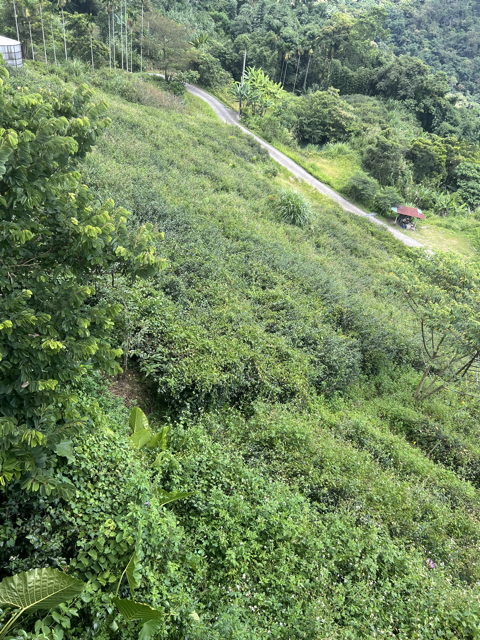
Taiwan
Where I learned that education begins with language, culture, and community.
Chiayi, Taiwan Photo taken by Huiyu Lin, 2023
I was born and raised in rural Chiayi, Taiwan, where I first developed an appreciation for the relationships among language, culture, community, and education. After earning my teaching credentials, I returned to my hometown as an elementary school teacher, teaching Chinese literacy, mathematics, and English. Working with children and families helped me recognize that meaningful learning begins with students' lived experiences, local knowledge, and cultural identities. These early experiences shaped my belief that education should build on learners' strengths rather than overlook them.
I was born and raised in rural Chiayi, Taiwan, where I first developed an appreciation for the relationships among language, culture, community, and education. After earning my teaching credentials, I returned to my hometown as an elementary school teacher, teaching Chinese literacy, mathematics, and English. Working with children and families helped me recognize that meaningful learning begins with students' lived experiences, local knowledge, and cultural identities. These early experiences shaped my belief that education should build on learners' strengths rather than overlook them.
During this period, I became increasingly interested in how language and culture influence learning. As I worked with students from diverse backgrounds, I began asking questions that would later guide my research: How do language, identity, and culture shape educational experiences? How can schools create spaces where students' histories, languages, and communities are valued?

Alaska
Where I discovered the power of culturally responsive and Indigenous-centered learning.
Glennallen, Alaska Photo taken by Huiyu Lin, 2021
My search for answers brought me to Alaska, where I pursued a Master's degree in Teaching and Learning at the University of Alaska Anchorage. Living and studying in Alaska expanded my understanding of cultural diversity, Indigenous knowledge systems, and community-centered education. Through coursework, school experiences, and community engagement, I encountered educational approaches that challenged conventional assumptions about teaching and learning.
During this time, I worked with diverse learners and communities and deepened my commitment to culturally responsive education. My experiences in Alaska helped me understand that educational equity is not simply about providing access but also about recognizing and valuing the cultural, linguistic, and historical experiences that students bring into learning spaces. These lessons continue to shape my work as an educator and researcher today.
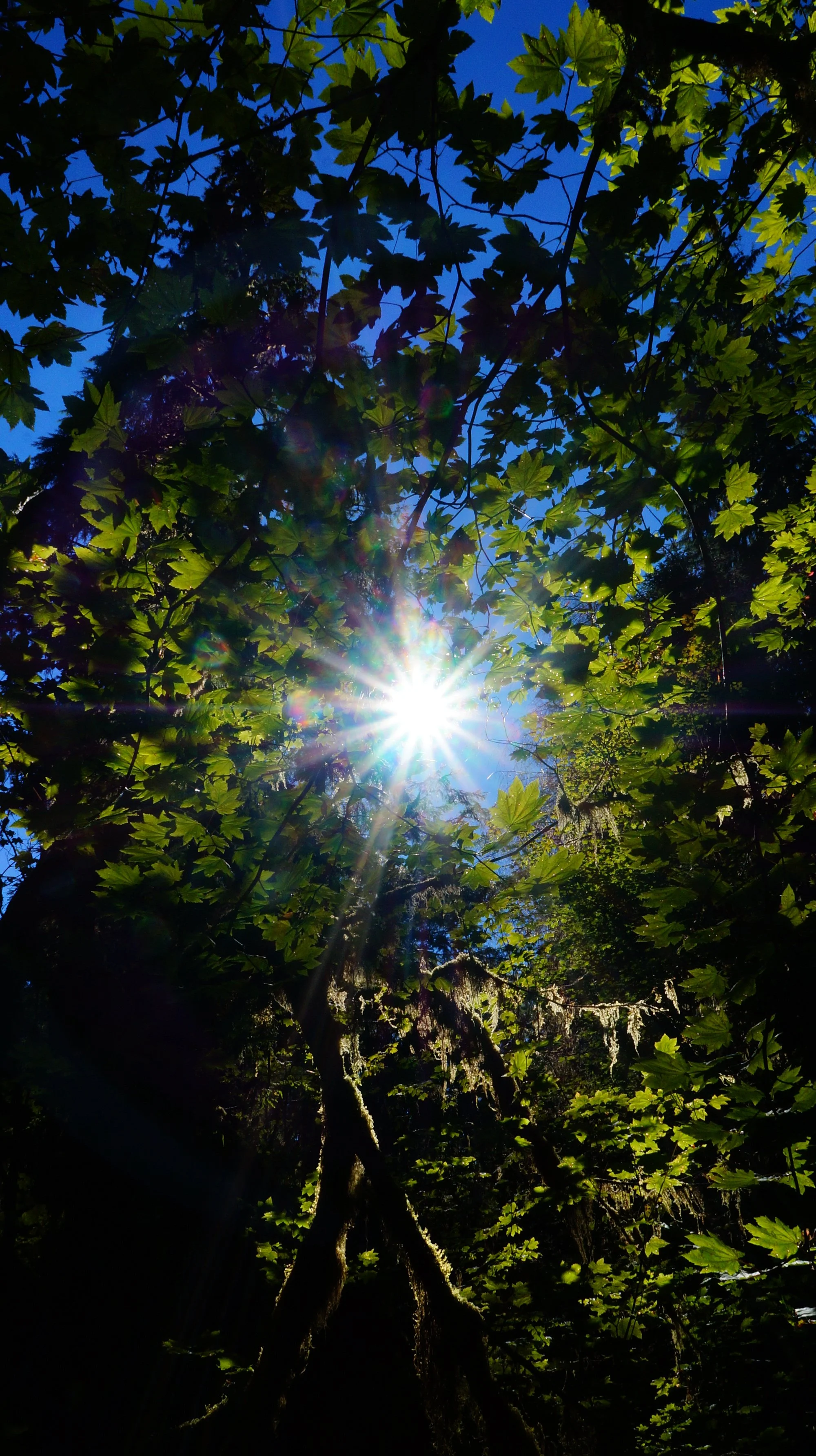
Washington
Where teaching, research, and community engagement came together to shape my scholarly purpose.
Hoh Rain Forest, Washington. Photo taken by Huiyu Lin, 2020
My journey continued at the University of Washington, where I earned a Ph.D. in Learning Sciences and Human Development and a Graduate Certificate in American Indian and Indigenous Studies. At Washington, my interests in language, culture, and learning evolved into a research agenda focused on Indigenous language education, multilingualism, heritage language learning, literacy, identity, and culturally sustaining pedagogies.
My doctoral research with the Cou/Tsou community in Taiwan deepened my understanding of how communities sustain language and cultural knowledge across generations. Through community-based and relational research approaches, I explored how language education can support cultural continuity, resilience, and self-determination.
At the same time, my work as an instructor, teaching associate, and field supervisor allowed me to mentor future educators and explore how critical literacy, multilingual education, and culturally responsive teaching can be translated into classroom practice. Today, I continue to work with teacher candidates and students while examining how emerging technologies, including artificial intelligence, are reshaping literacy, learning, and knowledge production.
Looking Forward…
Across Taiwan, Alaska, and Washington, a common theme has guided my work: a belief that education should honor learners’ languages, cultures, identities, and communities. Whether I am working with Indigenous language teachers, multilingual families, undergraduate students, or future educators, I seek to create opportunities for learning that are grounded in respect, equity, and meaningful relationships. My research and teaching continue to explore how education can support multilingual futures, cultural sustainability, and human flourishing across diverse communities.